.webp)






.jpg)


بازار مصالح ساختمانی عراق؛ جایگاه ایران، تحولات رقابتی و فرصتهای توسعه صادرات
 برای دانلود فایل با کیفیت اصلی کلیک کنید

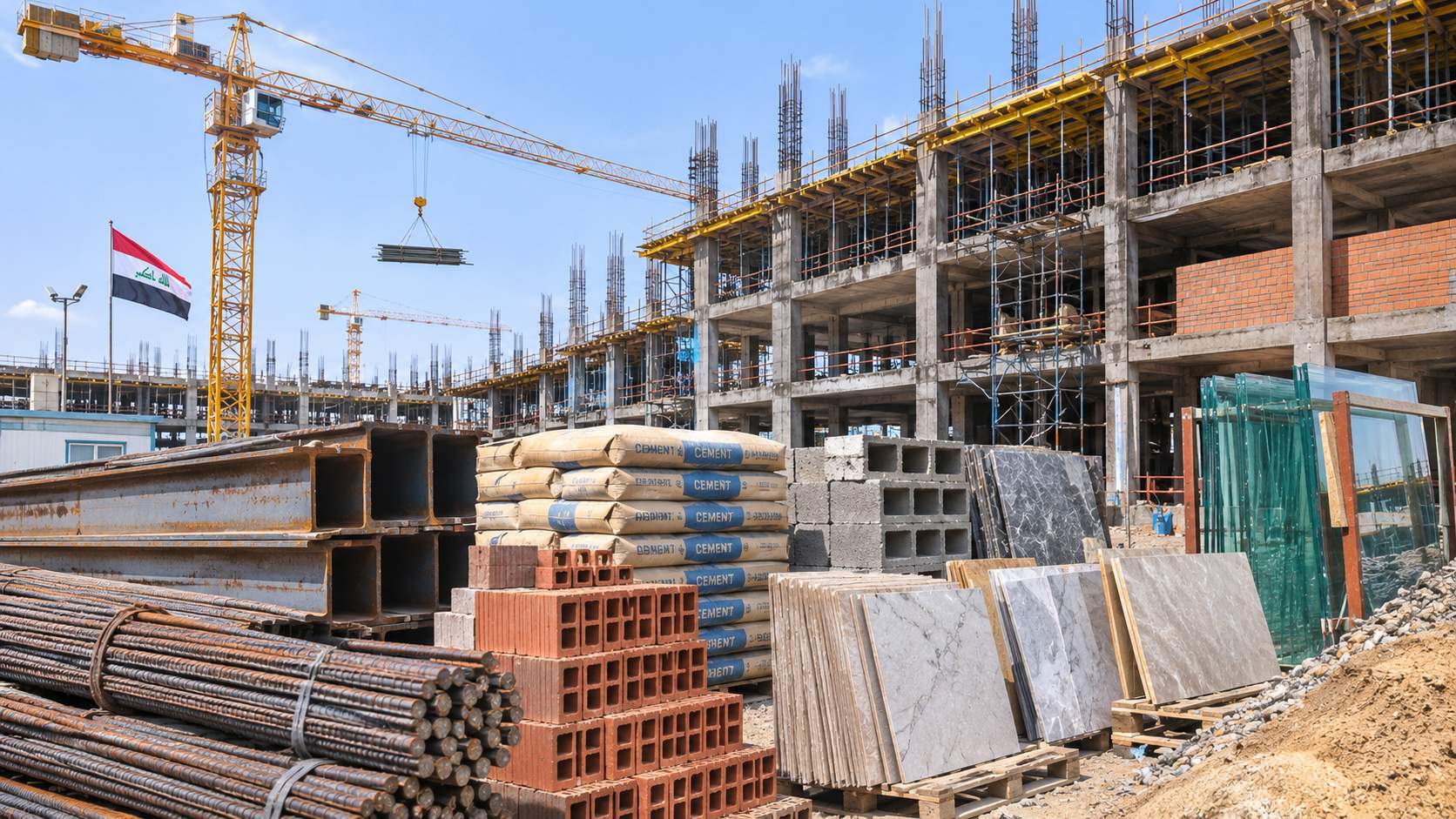
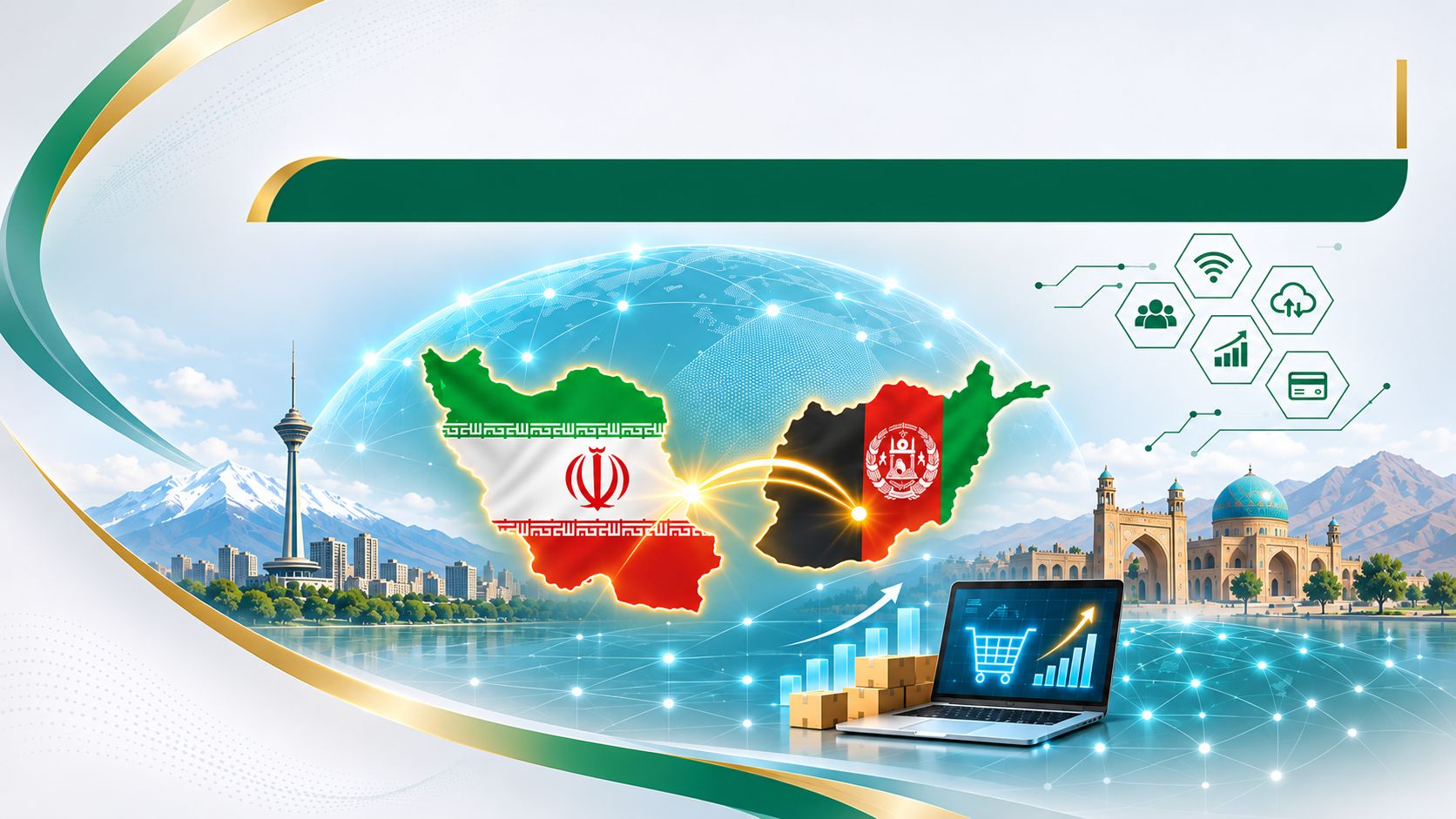
ایران از تأمینکنندگان اصلی محصولات ساختمانی عراق است، اما افزایش ارزش تجارت آن در سال ۲۰۲۵ با کاهش سهم از واردات سبد منتخب همراه بوده است. این یافته نشان میدهد که حفظ و توسعه حضور ایران، به شناخت تحولات هر گروه محصول و عملکرد رقبا نیاز دارد. هدف این گزارش، بررسی تقاضای ساختمانی، تولید داخلی و واردات عراق و تعیین اولویتهای محصولی و سیاستی برای تقویت حضور پایدار بنگاههای ایرانی است. تحلیل با اتکا به گزارشهای رسمی آماری عراق و منابع تکمیلی تولید صنعتی انجام شده و مقایسه تجارت بر سالهای ۲۰۲۴ و ۲۰۲۵ و سبدی مشخص از محصولات ساختمانی متمرکز است.
شواهد تقاضا، تصویر یکدستی از رونق ساختمان ارائه نمیکنند. تعداد مجوزهای ساخت و تعمیر بخش خصوصی در سال ۲۰۲۵ نسبت به سال قبل ۱۱٫۴ درصد کاهش یافته، درحالیکه ارزش واردات سبد منتخب محصولات ساختمانی با رشد ۷۱٫۳ درصدی، از حدود ۱٫۵۳ به ۲٫۶۱ میلیارد دلار رسیده است. تفاوت پوشش و زمانبندی این شاخصها، تعمیم رشد واردات به کل فعالیت ساختمانی را محدود میکند. همچنین، وجود تولید داخلی در فعالیتهایی مانند سیمان، محصولات رسی، مصنوعات بتنی و فولاد، ایجاب میکند فرصت صادراتی هر محصول در ارتباط با عرضه داخلی عراق ارزیابی شود.
در سال ۲۰۲۵، چین، ایران و هند مجموعاً حدود ۹۰ درصد ارزش واردات سبد منتخب را تأمین کردهاند. واردات ثبتشده از ایران با رشد حدود ۴۷ درصدی به ۹۴۵٫۶۲ میلیون دلار رسیده، اما سهم ایران از ۴۲٫۱۵ به ۳۶٫۱۸ درصد کاهش یافته است. این تغییر در همه محصولات یکسان نبوده است: سهم ایران در فولاد و شیشه افزایش یافته، ولی در کاشی و پرسلان، سنگ و سایر مصالح معدنی و مصالح پایه کاهش داشته است. کاشی و فولاد مجموعاً حدود ۷۱٫۵ درصد سبد وارداتی از ایران را تشکیل میدهند؛ ازاینرو، حفظ مشتریان و استمرار عرضه در این دو گروه اهمیت ویژهای دارد.
اولویتهای محصولی باید متناسب با این تفاوتها تعیین شوند. در کاشی، حفظ موقعیت در برابر رشد رقبا و در فولاد، تثبیت سهم بهبودیافته اهمیت دارد. در سنگ و سایر مصالح معدنی، شناسایی ردیفهای ازدستدهنده سهم و بررسی علل آن باید مقدم بر حمایت عمومی باشد. در سیمان و سایر مصالح پایه، تحول تولید داخلی عراق و هزینه تحویل باید مبنای تصمیم قرار گیرد. توسعه حضور در شیشه، با توجه به پایه کوچک سال مقایسه، نیازمند تأیید تکرارپذیری سفارشهاست؛ ورود به گروههای کمسهم نیز بهتر است بهصورت محدود و در محصولات مشخص آزموده شود.
جهتگیری پیشنهادی برای سیاست عمومی، پایش همزمان ارزش و سهم تجارت، رفع موانع مشترک و مستند، شفافسازی الزامات محصول و بهبود قابلیت پیشبینی تحویل است. حمایت از حفظ بازار موجود باید از حمایت برای ورود به محصولات جدید تفکیک شود. هر اقدام حمایتی نیز لازم است سقف هزینه، مشارکت بنگاه، معیار ارزیابی و امکان اصلاح یا توقف داشته باشد. سفارش تکراری، قرارداد اجراشده و وصول مطالبات، در کنار ارزش و سهم تجارت، معیارهای مناسبتری برای سنجش نتیجهاند.
نتایج تجاری گزارش به واردات ثبتشده سبد منتخب، بدون اقلیم کردستان، و ارزشهای جاری بر مبنای CIF مربوط است؛ بنابراین، معادل اندازه کل بازار یا برآورد قطعی ظرفیت فروش نیست. پیام اصلی گزارش آن است که توسعه پایدار حضور ایران باید بر تصمیمگیری محصولی، شناخت خریدار و مداخلات مرحلهای و قابل ارزیابی استوار باشد.
Iran is a major supplier of construction products to Iraq, but the increase in its recorded trade value in 2025 coincided with a decline in its share of the selected import basket. This finding highlights the need to assess individual product markets and competitors when designing measures to sustain and expand Iran’s commercial presence. This report examines construction demand, domestic production and imports in Iraq, identifies product priorities for Iranian suppliers, and develops policy recommendations. It draws on official Iraqi statistics and supplementary industrial production sources, with the trade comparison focused on 2024–2025 and a defined basket of construction products.
Demand indicators do not point to a uniform expansion in construction activity. Private-sector building and renovation permits fell by 11.4% in 2025, while the value of imports in the selected basket increased by 71.3%, from approximately US$1.53 billion to US$2.61 billion. Differences in coverage and timing mean that import growth cannot be treated as evidence of a general construction boom. Iraq’s domestic production of cement, clay building products, concrete products and steel also requires export opportunities to be assessed alongside local supply.
China, Iran and India together accounted for approximately 90% of the selected import basket in 2025. Recorded imports from Iran increased by about 47% to US$945.62 million, but Iran’s share declined from 42.15% to 36.18%. Performance varied across products: Iran gained share in selected steel and glass products, while losing share in tiles and porcelain, stone and other mineral materials, and basic construction materials. Tiles and steel represented approximately 71.5% of the basket imported from Iran, underscoring the importance of customer retention and reliable supply in these established product groups.
Product priorities should reflect these differences. For tiles, the emphasis should be on maintaining Iran’s position as competing suppliers expand; for steel, on consolidating the improvement in import share. In stone and other mineral materials, identifying the products losing share and investigating the reasons should precede broad support measures. Decisions concerning cement and other basic materials should consider Iraqi domestic production and delivered costs. Expansion in glass requires evidence of repeat demand, given the small comparison-year base, while entry into product groups where Iran has a limited presence should be tested through narrowly defined commercial initiatives.
The proposed policy approach prioritizes monitoring trade values and shares together, addressing documented barriers affecting multiple firms, clarifying product requirements, and improving delivery predictability. Support for retaining established markets should be distinguished from support for entering new product segments. Any intervention should have a defined budget, firm participation, evaluation criteria, and provisions for adjustment or termination. Repeat orders, fulfilled contracts and payment collection should complement trade values and shares as measures of performance.
The trade findings cover recorded imports of selected products, exclude the Kurdistan Region of Iraq, and use current US-dollar values on a CIF basis. They therefore do not measure the entire market or establish a definitive sales potential. The report’s central conclusion is that a sustainable expansion of Iran’s presence requires product-specific decisions, verified buyer demand, and phased interventions whose results can be assessed.
فاروق شیحکی
نظرات کاربران