




.jpg)


ارزیابی بازار اقتصاد دیجیتال افغانستان فرصتها، الزامات و نقشه راه عملیاتی حضور شرکتهای ایرانی
 برای دانلود فایل با کیفیت اصلی کلیک کنید
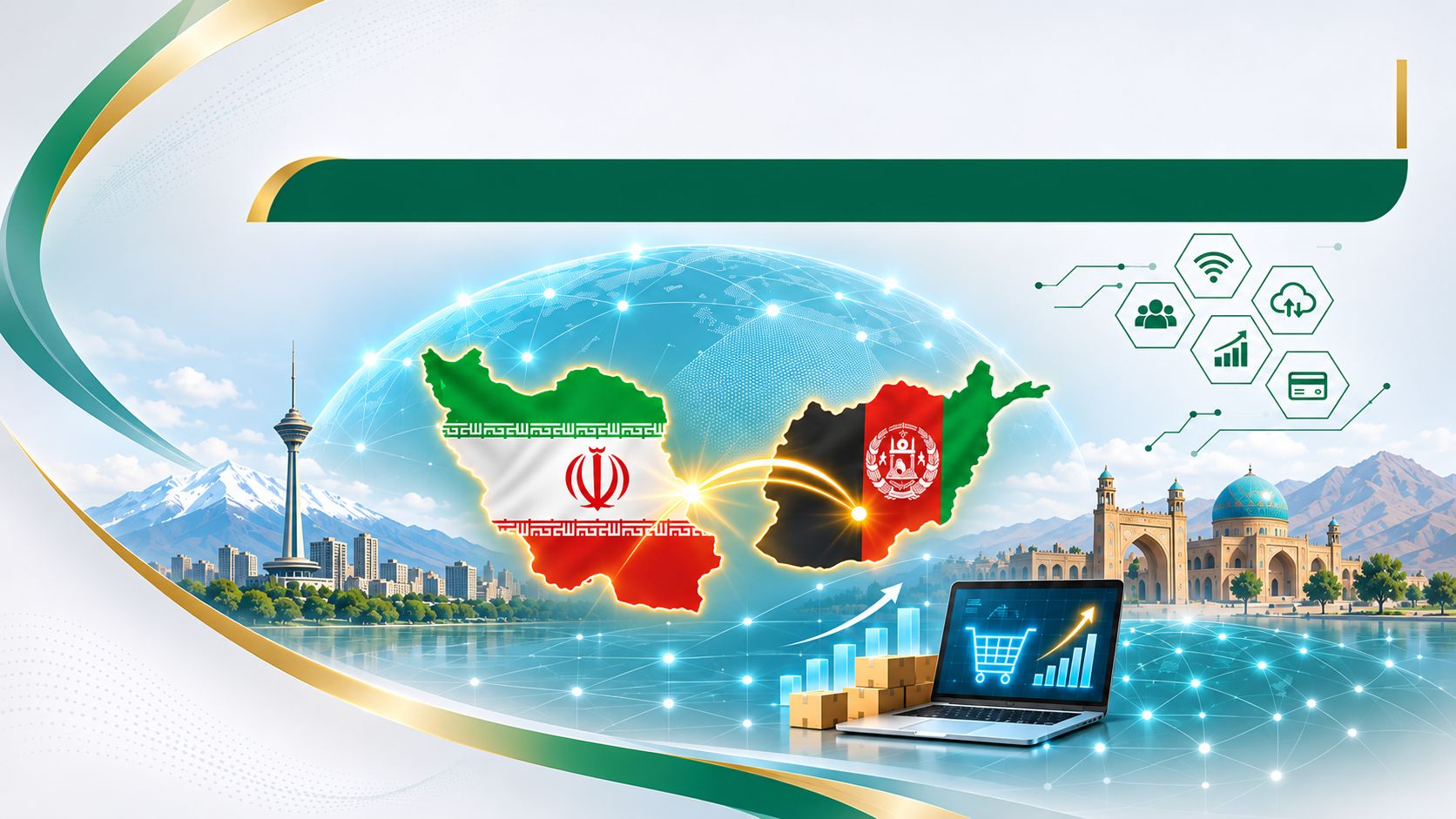
افغانستان با جمعیتی حدود ۴۴ میلیون نفر و تولید ناخالص داخلی ۱۷٫۸ میلیارد دلار، بازاری جوان، کمدرآمد و وابسته به واردات است؛ ویژگیهایی که هم محدودیتهای تقاضا و هم ظرفیتهای توسعه تجارت با این کشور را شکل میدهند (Kemp, 2025; World Bank, 2026b). در چنین بازاری، گسترش دسترسی به فناوری و خدمات دیجیتال میتواند زمینهساز تسهیل مبادلات، کاهش هزینههای تجاری و پاسخگویی به نیازهای بنگاهها و مصرفکنندگان باشد.
با وجود ضریب نفوذ اینترنت حدود ۲۵٫۵ درصدی در پایان سال ۲۰۲۵ و ثبات نسبی تعداد اتصالهای تلفن همراه، استفاده از داده و پرداختهای دیجیتال در افغانستان بهسرعت در حال افزایش است (Kemp, 2025). همزمان، بستهشدن مرز پاکستان و افزایش اهمیت مسیرهای جایگزین، جایگاه ایران را در تجارت این کشور تقویت کرده است؛ بهگونهای که در سال مالی ۱۴۰۵، تا سپتامبر ۲۰۲۶، ایران با سهم ۳۴ درصدی بزرگترین مبدأ واردات افغانستان بوده و ۵۶ درصد تجارت و ترانزیت این کشور از کریدور ایران عبور کرده است (World Bank, 2026d). با این حال، سهم خدمات دیجیتال در این روابط تجاری همچنان ناچیز است و ظرفیتهای موجود هنوز به حضوری منسجم و پایدار برای شرکتهای ایرانی تبدیل نشدهاند.
بهرهگیری از این فرصتها مستلزم شناخت واقعبینانه بازار، تعیین حوزههای دارای مزیت رقابتی و ایجاد سازوکاری هماهنگ برای ورود و فعالیت شرکتهای ایرانی است؛ سازوکاری که از رقابت مخرب میان این شرکتها و پراکندگی حمایتهای دولتی جلوگیری کند. در همین چارچوب، گزارش پیشرو، بهعنوان بخش اقتصاد دیجیتال برنامه توسعه تجارت اتاق با افغانستان، اندازه و ویژگیهای بازار دیجیتال این کشور را بررسی میکند، فرصتهای اولویتدار برای شرکتهای ایرانی را شناسایی میکند و چارچوب نهادی، حمایتی و اجرایی لازم برای توسعه حضور آنها در این بازار را پیشنهاد میدهد.
With a population of approximately 44 million and a gross domestic product of US$17.8 billion, Afghanistan is a young, low-income, import-dependent market. These characteristics shape both demand constraints and the potential for expanding trade with the country (Kemp, 2025; World Bank, 2026b). In this context, broader access to technology and digital services could facilitate transactions, reduce trade costs, and address the needs of businesses and consumers.
Despite internet penetration of approximately 25.5 percent at the end of 2025 and a relatively stable number of mobile connections, data usage and digital payments in Afghanistan are growing rapidly (Kemp, 2025). Meanwhile, the closure of the Pakistan border and the increasing importance of alternative routes have strengthened Iran’s position in Afghanistan’s trade. In fiscal year 1405, through September 2026, Iran was Afghanistan’s largest source of imports, accounting for 34 percent, while 56 percent of the country’s trade and transit passed through the Iranian corridor (World Bank, 2026d). Nevertheless, digital services still account for a negligible share of these commercial ties, and existing opportunities have yet to translate into a coordinated and sustained presence for Iranian companies.
Realizing these opportunities requires a realistic understanding of the market, identification of areas of competitive advantage, and a coordinated mechanism to support Iranian companies’ market entry and operations. Such a mechanism should prevent destructive competition among these companies and fragmented government support. Against this backdrop, this report, prepared as the digital economy component of the Chamber’s trade development program with Afghanistan, examines the size and characteristics of the country’s digital market, identifies priority opportunities for Iranian companies, and proposes the institutional, support, and implementation framework needed to expand their presence in this market.
محمد عبده ابطحی
نظرات کاربران