




.jpg)


حفظ و توسعه سهم ایران در بازار محصولات کشاورزی و غذایی عراق؛ تحلیل رقابتی و پیشنهادهای سیاستی
 برای دانلود فایل با کیفیت اصلی کلیک کنید

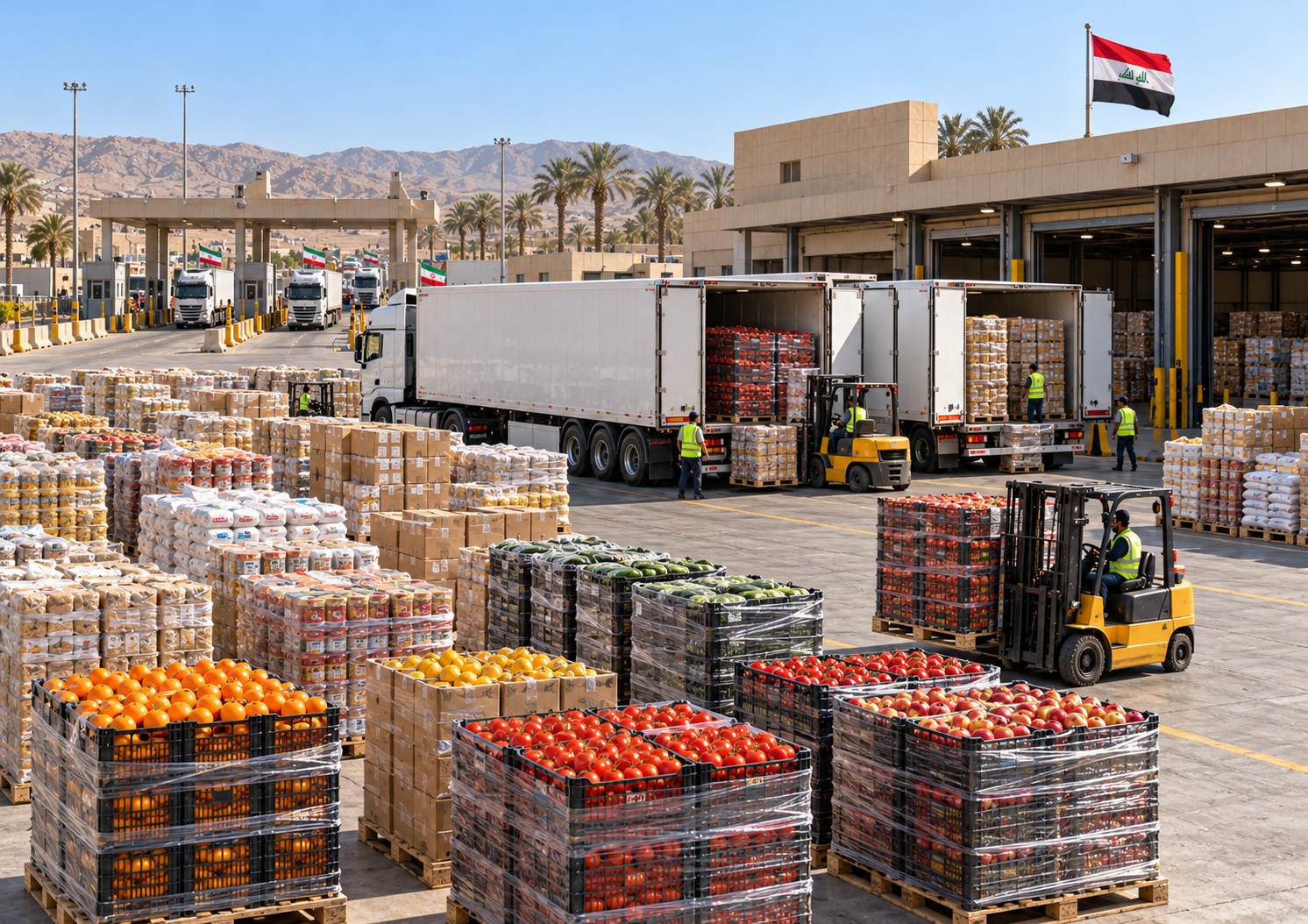
بازار کشاورزی و صنایع غذایی عراق، به دلیل جمعیت قابلتوجه، سهم بالای مواد غذایی در مخارج خانوار و اتکای همزمان به تولید داخلی و واردات، یکی از بازارهای راهبردی برای صادرکنندگان ایرانی به شمار میرود. بااینحال، تحولات این بازار نشان میدهد که اندازه تقاضا یا افزایش ارزش واردات، بهتنهایی معیار مناسبی برای شناسایی فرصتهای صادراتی نیست و ارزیابی ظرفیت بازار مستلزم بررسی همزمان ساختار مصرف، روند تولید داخلی، ترکیب واردات و موقعیت کشورهای رقیب در سطح محصول است.
بر اساس دادههای رسمی عراق، جمعیت این کشور در سال ۲۰۲۴ حدود ۴۶٫۱ میلیون نفر بوده و نزدیک به ۷۰٫۲ درصد آن در مناطق شهری سکونت داشتهاند. در همین سال، غذا و نوشیدنیهای غیرالکلی با سهم ۳۱٫۴ درصدی، بزرگترین گروه مخارج خانوار را تشکیل دادهاند. در سمت عرضه، تولید غلات و سبزیجات در محدوده آماری مورد بررسی طی سال ۲۰۲۵ بهترتیب ۲۱٫۴ و ۴۸٫۲ درصد کاهش یافته است. با وجود این، ظرفیت تولید داخلی عراق همچنان عامل مهمی در شکلگیری رقابت، بهویژه در محصولات تازه، طیور و فرآوردههای غذایی است و افت تولید را نمیتوان مستقیماً معادل افزایش نیاز وارداتی دانست.
ارزش واردات سبد منتخب محصولات کشاورزی، غذایی و نهادههای مرتبط عراق از ۵٫۹۴ میلیارد دلار در سال ۲۰۲۴ به ۱۰٫۲۱ میلیارد دلار در سال ۲۰۲۵ افزایش یافته که بیانگر رشد ۷۱٫۸ درصدی است. در همین دوره، وزن ثبتشده واردات ۳۹٫۶ درصد افزایش یافته است. تفاوت رشد ارزش و وزن و تغییرات نامتوازن میان گروههای کالایی نشان میدهد که توسعه بازار وارداتی عراق ماهیتی محصولمحور دارد. میوه و خشکبار، لبنیات و محصولات وابسته و غلات، مهمترین گروههای وارداتی سال ۲۰۲۵ بودهاند؛ در مقابل، برخی اقلام از جمله گوشت طیور و فرآوردههای گوجهفرنگی با کاهش واردات مواجه شدهاند.
در ساختار رقابتی بازار عراق، ایران با ثبت حدود ۱٫۷۰ میلیارد دلار صادرات به عراق در دادههای وارداتی این کشور، سهم ۱۶٫۷ درصدی از ارزش سبد منتخب در سال ۲۰۲۵ را به خود اختصاص داده و در میان مبادی مشخص تأمین، در جایگاه نخست قرار گرفته است. بااینحال، سهم ایران نسبت به سال قبل حدود یک واحد درصد کاهش یافته که ضرورت توجه به حفظ موقعیت رقابتی را برجسته میسازد. هند و برزیل نیز بهترتیب با سهمهای ۱۵٫۶ و ۱۴٫۲ درصدی، از مهمترین تأمینکنندگان این بازار بودهاند. تحلیل محصولی نشان میدهد که ایران در گروههایی نظیر پنیر، فرآوردههای نانوایی و فرآوردههای گوجهفرنگی موقعیت برجستهای دارد، درحالیکه در برخی گروهها با رقابت نزدیک سایر تأمینکنندگان مواجه است.
مطابق آمار گمرک جمهوری اسلامی ایران، ارزش صادرات سبد منتخب به عراق در سال کامل ۱۴۰۳ حدود ۲٫۴۴ میلیارد دلار و در دهماهه ۱۴۰۴ حدود ۱٫۸۲ میلیارد دلار بوده است. عراق در این دو دوره بهترتیب ۲۹٫۴ و ۲۹٫۶ درصد صادرات جهانی ایران در همین سبد را جذب کرده است. این وابستگی قابلتوجه، علاوه بر اهمیت حفظ و توسعه بازار عراق، ضرورت مدیریت ریسک تمرکز مقصد صادراتی را نیز نشان میدهد.
برآیند یافتهها سه جهت اصلی را برای سیاستگذاری و اقدامات توسعه تجارت پیشنهاد میکند: نخست، حفظ و تعمیق حضور در محصولات دارای جایگاه تثبیتشده؛ دوم، بررسی توسعه فروش در گروههای برخوردار از رقابت نزدیک؛ و سوم، ارزیابی تخصصی فرصتهای جدید بر اساس مشخصات محصول، توان عرضه، شرایط تحویل و امکان دسترسی به خریدار معتبر. در این چارچوب، اتاق بازرگانی و تشکلهای تخصصی میتوانند با تهیه پروندههای محصولمحور، تسهیل ارتباطات تجاری، پایش رقبا و پیگیری موانع مستند، زمینه تصمیمگیری دقیقتر بنگاهها را فراهم سازند.
نتایج این مطالعه باید با توجه به تفاوت دورههای آماری و پوشش جغرافیایی منابع تفسیر شوند. بهویژه، آمار تولید و واردات عراق در منابع مورد استفاده، اقلیم کردستان را پوشش نمیدهد و ارقام تجارت ایران و عراق نیز مستقیماً قابل تلفیق برای محاسبه سهم بازار نیستند. ازاینرو، اولویتهای معرفیشده مبنایی برای بررسیهای تکمیلی و تصمیمسازی تجاری محسوب میشوند، نه برآورد قطعی ظرفیت صادرات یا تضمین سودآوری.
Iraq represents a strategically important market for Iranian agricultural and food products, supported by its sizeable population, the substantial share of food in household expenditure, and the coexistence of domestic production and import demand. Nevertheless, market size and import growth alone are insufficient indicators of export opportunities. A comprehensive assessment requires an integrated examination of consumer demand, domestic supply, import composition, and product-level competition.
According to official Iraqi statistics, the country's population reached approximately 46.1 million in 2024, with an urbanization rate of 70.2%. Food and non-alcoholic beverages accounted for 31.4% of household expenditure. On the supply side, cereal and vegetable production within the statistical coverage of the study declined by 21.4% and 48.2%, respectively, in 2025. Despite these contractions, domestic production remains an important competitive factor, particularly in fresh produce, poultry, and processed foods. Declining output should therefore not be interpreted as an equivalent increase in import requirements.
The value of Iraq's imports within the selected basket of agricultural products, foodstuffs, and related inputs increased from USD 5.94 billion in 2024 to USD 10.21 billion in 2025, representing growth of 71.8%. Recorded net import weight increased by 39.6% over the same period. The divergence between value and weight growth, together with contrasting developments across product categories, highlights the importance of product-specific market assessments. Fruit and nuts, dairy and related products, and cereals were among the largest import categories, while poultry meat and processed tomato products experienced declining imports.
Iran emerged as the largest individually identified country of origin within Iraq's selected import basket in 2025, accounting for approximately USD 1.70 billion, or 16.7% of its value. However, Iran's share declined by approximately one percentage point compared with 2024, indicating the need to safeguard its competitive position. India and Brazil followed with market shares of approximately 15.6% and 14.2%, respectively. At the product level, Iran maintained a strong position in selected categories, including cheese, bakery products, and processed tomato products, while facing closer competition in other segments.
According to Iranian customs statistics, Iran's exports to Iraq within the selected basket amounted to approximately USD 2.44 billion in the full Iranian calendar year 1403 and USD 1.82 billion during the first ten months of 1404. Iraq accounted for 29.4% and 29.6%, respectively, of Iran's worldwide exports within the same product basket. This concentration underscores both the strategic importance of the Iraqi market and the need to manage export-destination risks.
The findings suggest three priorities for trade development: consolidating established market positions, exploring sales expansion in competitive product categories, and conducting targeted assessments of additional opportunities based on product specifications, supply capabilities, delivery conditions, and buyer reliability. Chambers of commerce and industry associations can support these priorities through product-level market intelligence, business matchmaking, competitor monitoring, and evidence-based resolution of trade barriers.
The findings must be interpreted within the study's statistical limitations. The Iraqi production and import datasets used in the analysis exclude the Kurdistan Region, while differences in reporting periods, geographical coverage, and statistical methodology prevent direct calculation of market shares by combining Iranian and Iraqi trade figures. Accordingly, the identified priorities should serve as a basis for further market assessment rather than definitive estimates of export potential or commercial profitability.
فاروق شیحکی؛ مریم کاظمی فرمتهور
نظرات کاربران